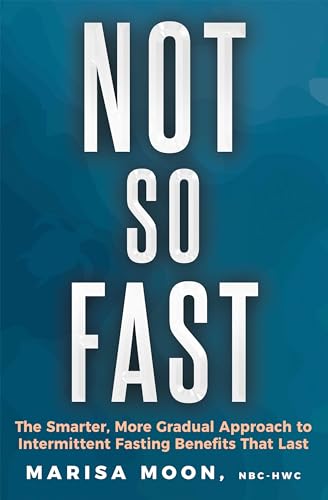
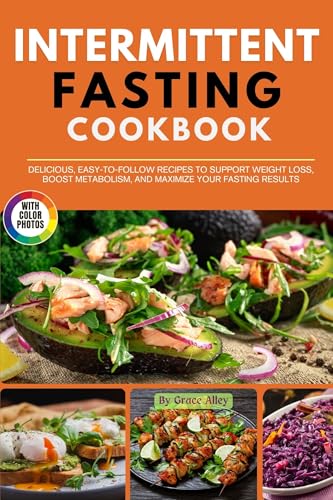
Understanding Intermittent Fasting
Intermittent fasting has gained popularity among health-conscious professionals seeking effective weight management strategies. This eating pattern involves alternating cycles of fasting and eating, making it appealing for those wanting to shed unwanted pounds, such as postpartum women or men over 40 aiming to reduce belly fat.
Choosing the Right Fasting Protocol
With various fasting methods available, such as the 16:8, OMAD, and 5:2 protocols, confusion often arises. Each method offers unique benefits and can help meet individual health goals. For example, the 16:8 approach allows an 8-hour eating window, catering to busy professionals balancing work and family life. Understanding each protocol’s intricacies can aid in selecting the one that best fits your lifestyle.
Overcoming Challenges and Staying Motivated
Many individuals face challenges while adapting to intermittent fasting, including managing hunger and cravings during fasting windows. Fatigue and low energy levels are common complaints during the adjustment phase. To combat these issues, focus on hydration and consume nutrient-dense meals during eating periods. Additionally, social situations may complicate adherence, especially when family meals are involved. Planning meals in advance and communicating your goals with loved ones can structure your approach to fasting, making it easier to maintain your commitment.
With the right mindset and proactive strategies, intermittent fasting can be a powerful tool for achieving your health and fitness goals. Embrace the journey and remember that consistency is key!